Malignant Edema (Gas Gangrene) in Animals
Definition
Malignant edema is a rapidly spreading bacterial infection of muscles and soft tissues that causes severe swelling, gas formation, toxemia, and often death if not treated quickly.
Introduction
Malignant edema, also known as gas gangrene, is a severe and often fatal bacterial disease that affects many animal species. The disease is usually caused by Clostridium septicum, a bacterium commonly found in soil and in the intestines of healthy animals.
Causes
Infection usually occurs when bacteria enter the body through wounds contaminated with soil, manure, or damaged tissue. Common risk factors include:
- Castration
- Dehorning
- Tail docking
- Difficult calving (parturition)
- Accidental wounds
- Unclean injections
- Deep muscle injuries
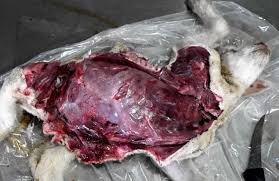
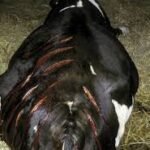
How the Disease Develops
After entering the wound, the bacteria multiply rapidly and produce powerful toxins. These toxins damage muscles and surrounding tissues, causing severe swelling, tissue death (necrosis), gas formation, and toxemia.
Clinical Signs
Signs usually appear within 6–48 hours after infection and may include:
- High fever
- Loss of appetite
- Depression and weakness
- Painful swelling around the wound
- Soft swelling that pits on pressure
- Crackling sensation due to gas under the skin
- Dark brown or black muscle tissue
- Rapid spread of swelling
- Severe toxemia
- Sudden death in severe cases
Diagnosis
Diagnosis can be confirmed by:
- Clinical signs and history
- Fine-needle aspiration
- Gram staining
- Bacterial culture
- PCR testing
- Immunohistochemistry
Because the disease closely resembles blackleg, laboratory testing is important for accurate diagnosis.
Treatment
Early treatment is critical and may include:
- High doses of penicillin
- Tetracycline antibiotics
- Broad-spectrum antimicrobials
- NSAIDs to reduce pain and inflammation
- Surgical opening and drainage of affected tissues
- Intravenous fluid therapy in severely affected animals
Even with treatment, damaged tissues may slough and the prognosis can be poor if treatment is delayed.
Prevention
Prevention is mainly based on vaccination and good management practices:
- Vaccinate animals against clostridial diseases.
- Vaccinate calves at about 2 months of age.
- Give booster doses as recommended.
- Use clean surgical and injection techniques.
- Properly dispose of carcasses.
- Vaccinate animals before castration, dehorning, or docking in high-risk areas.
Key Points
- Malignant edema is an acute and often fatal disease caused mainly by Clostridium septicum.
- Infection usually enters through contaminated wounds.
- Rapid swelling, fever, pain, gas under the skin, and toxemia are common signs.
- Early treatment with antibiotics and supportive care is essential.
- Vaccination is the most effective method of prevention.
Reference
This article has been prepared after a thorough review of the scientific work and clinical experience of Dr. Henry R. Stämpfli (DMV, Dr. Med. Vet., DACVIM-LAIM), Department of Clinical Studies, Ontario Veterinary College, University of Guelph, and Dr. Olimpo J. Oliver-Espinosa (DVM, MSc, DVSc), National University of Colombia. The information has been carefully studied from the MSD Veterinary Manual and presented in a simplified and easy-to-understand format. As a veterinary doctor, I have reviewed and summarized the evidence-based knowledge and expert recommendations to provide accurate and practical information on Malignant Edema (Gas Gangrene) in animals.