Hemorrhagic Septicemia (HS)
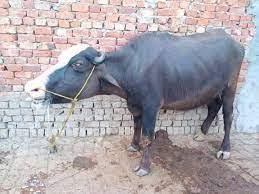
Hemorrhagic Septicemia is a very dangerous bacterial disease that mainly affects buffaloes and cattle.
It is common in hot and humid countries such as Pakistan, India, and other Asian regions.
The disease spreads very quickly, and in severe cases an animal may die within 8–24 hours.
The causative bacterium is:
Causative Agent
Pasteurella multocida
Main dangerous serotypes:
- B:2
- E:2
Which Animals Are Affected?
Mostly:
- Buffalo
- Cattle
Sometimes:
- Goats
- Sheep
- Camels
- Deer
- Yaks
- Horses
Buffaloes usually develop more severe disease than cattle.
How Does HS Spread?
The disease spreads from infected or carrier animals to healthy animals.
Modes of Transmission
- Nasal discharge
- Saliva and mouth
- secretions
- Contaminated feed
- Contaminated water
- Close contact among animals
- Rainy and humid weather
Factors That Increase the Disease
Stress plays a major role
Common stress factors:
- Extreme heat
- Humidity and rainy season
- Long transportation
- Poor nutrition
- Heavy workload
- Weak immunity
- Other diseases
- Foot-and-Mouth Disease
- Blood parasite infections
Types of HS
1. Peracute HS
This is the most dangerous form.
Signs:
- Sudden high fever
- Severe breathing difficulty
- Excessive salivation
- Nasal discharge
- Sudden collapse
- Death within 8–24 hours
Sometimes the owner notices only sudden death.
2. Acute HS
This form may last 2–5 days.
Signs:
- Fever of 104–106°F
- Loss of appetite
Weakness and dullness - Restlessness
- Nasal discharge (watery first, then thick)
- Watery eyes
- Excess salivation
- Swelling under the throat
- Swelling of neck and brisket
- Rapid breathing
- Bluish discoloration
- due to lack of oxygen
- Sometimes diarrhea
3. Pneumonic Form
This form mainly affects the lungs.
Signs:
- Coughing
- Noisy breathing
- Fast breathing
- Fever
- Nasal discharge
4. Septicemic Form
This is the most fatal form.
The bacteria enter the bloodstream and produce toxins (endotoxemia) throughout the body.
Signs:
- Severe fever
- Cold body
- Breathing difficulty
- Animal becomes
- unable to stand
- Sudden death
Characteristic Sign of HS
Most Important Sign:
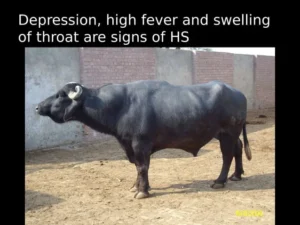
Soft warm swelling under the jaw, throat, and neck region.This is one of the most typical signs of HS.
Diagnosis of HS
Veterinarians diagnose HS based on:
- Sudden fever
- Neck and throat swelling
- Breathing difficulty
- Outbreak history in the area
Laboratory Tests
- Blood tests
- Bacterial culture
- PCR test
Diseases Similar to HS
HS can sometimes resemble:
- Foot-and-Mouth Disease
- Anthrax
- Blackleg
- Snakebite
- Poisoning/toxicity
Treatment of HS
Early treatment is extremely important.If treatment starts very early, the animal may survive.
Commonly Used Antibiotics
- Oxytetracycline
- Penicillin
- Gentamicin
- Kanamycin
- Enrofloxacin
- Ceftiofur
- Tilmicosin
Supportive Treatment
In severe cases:
- IV fluids
- Intravenous
- antibiotics
- Anti-inflammatory medicines
- Fever control
- Keep the animal in a cool and comfortable place
Prevention of HS
1. Vaccination Is the Most Important Protection
HS Vaccine
When Should Vaccination Be Done?
- Before the rainy/monsoon season
- Once or twice every year
2. Preventive Measures
Animals should:
- Be protected from heat stress
- Receive clean drinking water
- Receive balanced nutrition
- Sick animals should be isolated
- Avoid overcrowding
- Get proper rest after transportation
3. Farm Management
- Maintain daily cleanliness
- Avoid stagnant dirty water
- Quarantine newly purchased animals
- Properly dispose of dead animals
Why Does HS Cause Sudden Death?
Because the bacteria:
- Spread rapidly in the blood
- Release harmful toxins
- Cause severe breathing problems
- Lead to shock and organ failure
Season of HS
HS is more common during:
- Rainy season
- Humid weather
- Extreme heat
Important Warning Signs
If an animal shows:
- Sudden fever
- Swelling of throat/neck
- Breathing difficulty
- Excessive salivation
- Weakness or sitting down
Note
This content has been prepared after a detailed review of the clinical studies and research work conducted by Dr. Derek A. Mosier, DVM, PhD, DACVP, Department of Diagnostic Medicine/Pathobiology, College of Veterinary Medicine, Kansas State University, as published on MSD Veterinary Manual (msdvetmanual.com). As a veterinary practitioner, I have carefully studied and interpreted his documented findings and experimental data to develop this information for educational and professional reference purposes.