Brucellosis in Cattle (Contagious Abortion / Bang’s Disease)
Brucellosis is a serious infectious disease of cattle caused mainly by Brucellosis and the bacterium Brucella abortus. It primarily affects the reproductive system and is one of the most important causes of abortion in cows. The disease can also infect humans, making it a major zoonotic disease.
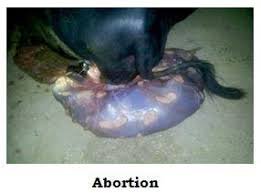
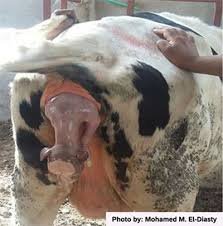
What is Brucellosis?
Brucellosis is a contagious bacterial disease that causes:
- Abortion, usually in the last trimester of pregnancy
- Birth of weak or dead calves
- Retained placenta
- Temporary infertility
- Reduced milk production
Infected cows usually abort only once, but they may continue to carry and shed the bacteria in milk and birth fluids during future calvings.
Cause of the Disease
The disease is caused almost exclusively by the bacterium Brucella abortus in cattle, buffalo, and bison.
Other species of Brucella include:
- Brucella melitensis – mainly affects goats and sheep
- Brucella suis – mainly affects pigs
Among cattle, Brucella abortus is the most important species.
Animals Affected
Brucellosis commonly affects:
- Cattle
- Water buffalo
- Bison
- Elk (wildlife reservoirs)
- Occasionally bulls
It can also infect humans, especially farmers, veterinarians, and dairy workers.
How the Disease Spreads
The bacteria are present in very large numbers in:
- Aborted fetuses
- Placenta
- Uterine discharge
- Amniotic fluid
- Milk
Infection occurs when animals:
- Eat contaminated feed or water
- Lick contaminated genital areas
- Come into contact with aborted materials
- Receive contaminated semen through artificial insemination
The bacteria can enter the body through:
- Mouth
- Nose
- Eyes
- Wounds
- Mucous membranes
Incubation Period
The time between infection and abortion varies depending on the stage of pregnancy when the animal is exposed. Infection during late pregnancy often leads to abortion sooner than infection in early pregnancy.
Clinical Signs in Cows
The most obvious sign is abortion, but other signs include:
- Stillbirth
- Weak calves
- Retained placenta
- Reduced milk yield
- Temporary infertility
In uncomplicated cases, the cow usually appears healthy.
Clinical Signs in Bulls
In bulls, Brucella may infect:
- Testicles
- Epididymis
- Seminal vesicles
This can lead to:
- Testicular swelling
- Abscesses
- Poor fertility
- Bacteria in semen
Abortion Storm
When Brucellosis enters an unvaccinated herd, many pregnant cows may abort within a short period. This is called an abortion storm and is a strong indicator of brucellosis.
Milk Shedding
Many infected cows shed Brucella bacteria in milk for months or even for life, which increases the risk to calves and humans consuming raw milk.
Diagnosis of Brucellosis
Diagnosis is based on:
- Clinical signs
- Blood tests
- Milk tests
- Bacterial culture
Samples Used
- Placenta
- Fetal stomach contents
- Fetal lungs
- Milk
- Udder secretions
- Blood
Common Diagnostic Tests
Serological Tests
- Rose Bengal Test
- Brucellosis Card Test
- ELISA
- Complement Fixation Test
- Rivanol Test
Milk Test
- Brucella Milk Ring Test (BRT)
Confirmatory Test
- Culture of Brucella organisms from tissues or milk
Treatment
There is no practical treatment for brucellosis in cattle.
Antibiotic treatment is not recommended because:
- It is expensive
- It rarely eliminates infection completely
- Treated animals may continue to spread the disease
Control and Prevention
1. Test and Cull
Regularly test all animals and remove (cull) those that test positive.
2. Vaccination
Vaccinate young female calves using:
- Strain RB51 vaccine (commonly used)
- Strain 19 vaccine
3. Biosecurity
- Buy animals only from brucellosis-free herds
- Isolate new animals for 30 days
- Retest before mixing with the herd
4. Hygiene
- Properly dispose of aborted fetuses and placentas
- Disinfect contaminated areas
- Use gloves when handling birth materials
5. Pasteurization
Do not consume raw milk from infected animals.
Vaccination Schedule
Heifer calves are usually vaccinated between 4 and 12 months of age with RB51 vaccine according to national veterinary guidelines.
Human Health Importance
Brucellosis is highly infectious to humans and can cause:
- Fever
- Joint pain
- Sweating
- Fatigue
- Chronic illness
People at risk include:
- Farmers
- Veterinarians
- Dairy workers
- Laboratory personnel
Always wear gloves and avoid drinking unpasteurized milk.
Economic Losses
Brucellosis can cause major economic losses due to:
- Abortions
- Infertility
- Reduced milk production
- Culling of infected animals
- Trade restrictions
Key Points
- Brucellosis is caused by Brucella abortus.
- It mainly causes abortion in late pregnancy.
- Infected cows may continue shedding bacteria for life.
- The disease can infect humans.
- There is no effective treatment.
- Control depends on vaccination, testing, and culling.
Conclusion
Brucellosis is one of the most important reproductive diseases of cattle and buffalo. Because it causes abortion, infertility, and poses a serious risk to human health, strict control measures are essential. Vaccination, regular testing, and removal of infected animals remain the most effective strategies for preventing and eliminating this disease from herds.
Note
This article has been prepared after carefully reviewing the scientific work and clinical expertise of Dr. John W. A. Larsen, BVSc, PhD, Faculty of Veterinary and Agricultural Sciences, University of Melbourne, and Dr. Angel Abuelo, DVM, PhD, DABVP, DECBHM, FHEA, MRCVS, Michigan State University College of Veterinary Medicine, as published in the MSD Veterinary Manual. As a veterinary doctor, I have studied their evidence-based findings and incorporated this information into the article to provide accurate, reliable, and educational content for veterinarians, livestock owners, and animal health professionals.