Actinobacillosis in Animals
Actinobacillosis is a bacterial disease caused by different Actinobacillus species. These bacteria normally live in the mouth, respiratory tract, or reproductive tract of animals, but they cause disease when they enter the body through wounds or damaged tissues.
It affects many animals including cattle, sheep, goats, pigs, horses, dogs, and rarely chickens.
Causes (Etiology)
The disease is caused by gram-negative bacteria of the genus Actinobacillus.
Important species include:
- Actinobacillus pleuropneumoniae → severe lung disease in pigs
- Actinobacillus suis → septicemia and pneumonia in pigs and foals
- Actinobacillus equuli → infection in foals and horses
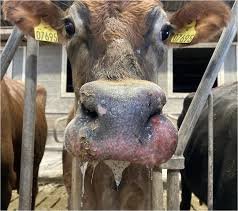
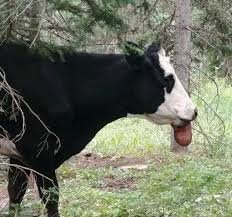
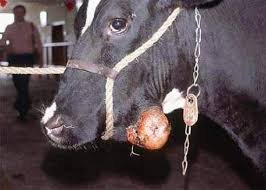
- Actinobacillus lignieresii → “Wooden Tongue” in cattle and sheep
- Actinobacillus seminis → infertility and orchitis in rams
Clinical Signs
1. In Pigs
Caused by: A. pleuropneumoniae
Signs:
- High fever
- Severe breathing difficulty
- Coughing
- Sudden death Pneumonia
- Poor growth
- Lung abscesses
Young pigs under 5 months are mostly affected.
2. In Horses and Foals
Caused by: A. equuli
Signs in foals:
- Diarrhea
- Pneumonia
- Joint infection
- Kidney infection
- Septicemia
- Weak sleepy foal (sleepy foal disease)
Signs in adult horses:
- Fever
- Colic
- Peritonitis
- Endocarditis
- Abortion
3. In Cattle and Sheep
Caused by: A. lignieresii
This disease is called Wooden Tongue.
Signs:
- Hard swollen tongue
- Excessive salivation
- Difficulty eating
- Painful tongue
- Tongue protruding from mouth
- Swelling under jaw
- Abscesses in mouth or neck
The tongue becomes hard like wood.
4. In Rams and Sheep
Caused by: A. seminis
Signs:
- Epididymitis
- Orchitis
- Infertility
- Arthritis
- Abortion in ewes
Diagnosis
Diagnosis can be confirmed by:
- Bacterial culture
- PCR test
- ELISA
- Biopsy of lesions
In wooden tongue cases, pus may contain yellow sulfur-like granules.
Treatment
In Pigs and Horses
Treatment includes antibiotics such as:
- Penicillin
- Tetracycline
- Gentamicin
- Ceftiofur
- Cephalosporins
- Florfenicol
Supportive therapy is also important.
In Cattle and Sheep (Wooden Tongue)
Main treatment:
- 70mg/kg (IV Sodium Iodide)
- Sodium iodide IV is the treatment of choice
- Usually repeated after 7–10 days
- Improvement often appears within 48 hours
Severe cases may also need:
- Antibiotics
- Surgical removal of masses
- Cryotherapy
Prevention
In Pigs
- Good ventilation
- Avoid overcrowding
- Quarantine new animal
- Vaccination
- Control other diseases
In Ruminants
- Avoid coarse and sharp feed
- Avoid thorny pasture plants
- Prevent mouth injuries
In Rams
- Regular testing
- Remove carrier animals
- Separate young and adult rams
Key Points
- Actinobacillosis is an important bacterial disease in animals.
- Different species affect different animals.
- Wooden tongue is the most common form in cattle.
- Pigs mainly develop severe pneumonia.
- Foals may develop septicemia and joint infection.
- Sodium iodide is the best treatment for ruminants.
- Early diagnosis and treatment improve recovery.
Reference
This content has been prepared after carefully reviewing the clinical experience and research work of Dr. Grace VanHoy (DVM, MS, DACVIM-LA), Department of Medicine and Epidemiology, School of Veterinary Medicine, University of California, Davis, and Dr. Angel Abuelo (DVM, PhD, DABVP, DECBHM, FHEA, MRCVS), Michigan State University College of Veterinary Medicine, as published on MSD Veterinary Manual. As a veterinary doctor, I have studied and summarized their expert-reviewed information for educational and clinical awareness purposes.