Tuberculosis (TB) in Animals
Bovine tuberculosis
Tuberculosis (TB) is a chronic infectious disease caused by bacteria of the Mycobacterium tuberculosis complex. In animals, the most important cause is Mycobacterium bovis. TB mainly affects the lungs and lymph nodes, but it can spread to other organs. It is also a zoonotic disease, meaning it can spread from animals to humans.
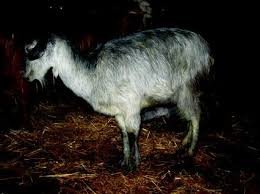
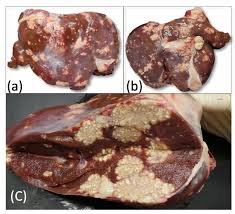
Tuberculosis in Cattle
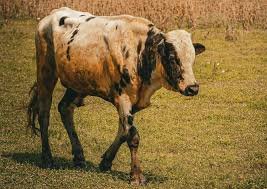
Cattle are the main animals affected by bovine TB, usually caused by Mycobacterium bovis. The disease spreads through inhalation of infected droplets, contaminated feed, or raw milk.
Important Points
- Mainly affects lungs and lymph nodes.
- Causes chronic weight loss, cough, and weakness.
- Can spread to humans through raw (unpasteurized) milk.
- Many countries control TB by testing animals and removing infected ones.
- Pasteurization of milk is very important for prevention.
Tuberculosis in Sheep and Goats
Sheep
Sheep can be infected by Mycobacterium bovis and Mycobacterium caprae, but disease is uncommon.
- Usually no obvious signs.
- Lesions mostly found in the lungs.
- Generalized infection is rare.
- Diagnostic tests used in cattle can also be used in sheep.
Goats
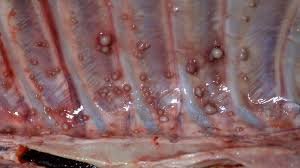
Goats are highly susceptible, especially to Mycobacterium caprae.
- Infection can spread widely in a herd.
- Lesions are common in lungs and intestines.
- Signs include weight loss, cough, and enlarged lymph nodes.
- Diagnosis is done by skin testing and blood tests.
- Some countries use test-and-slaughter programs.
Tuberculosis in Horses
Horses and donkeys are naturally resistant and are usually accidental hosts.
- TB is rare in horses.
- Lesions often occur in the abdomen, liver, and lymph nodes.
- Signs include weight loss, fever, cough, and difficulty breathing.
- The tuberculin skin test is not reliable in horses.
Tuberculosis in Dogs
Dogs can become infected with Mycobacterium tuberculosis, M. bovis, and occasionally Mycobacterium avium.
- Infection may come from humans, cattle, wildlife, or bite wounds.
- Common sites include lungs, liver, kidneys, and body cavities.
- Signs are nonspecific and depend on affected organs.
- Non-healing abscesses may be present.
- Diagnosis includes X-rays, PCR, and special staining.
- Treatment is rarely done because of public health concerns.
Tuberculosis in Cats
Cats are fairly resistant to human TB but are susceptible to Mycobacterium bovis, Mycobacterium microti, and Mycobacterium avium complex.
- Infection may occur from raw milk, infected rodents, or wildlife.
- Lesions may develop in lymph nodes, lungs, abdomen, or skin wounds.
- Signs include enlarged lymph nodes, pneumonia, and abscesses.
- Tuberculin skin testing is unreliable.
- Diagnosis is made by PCR, biopsy, and imaging.
- Many infected cats are euthanized to protect human health.
Common Clinical Signs of TB in Animals
- Weight loss
- Weakness
- Fever
- Chronic cough
- Difficulty breathing
- Enlarged lymph nodes
- Non-healing abscesses
Diagnosis of TB
- Tuberculin skin test
- Interferon-gamma (IFN-γ) assay
- Polymerase Chain Reaction (PCR)
- Ziehl–Neelsen stain
- Radiography and ultrasonography
- Biopsy and cytology
Prevention and Control
- Regular testing of animals
- Removal of infected animals
- Pasteurization of milk
- Avoid feeding raw milk
- Control contact with wildlife
- Good farm hygiene and biosecurity
Public Health Importance
TB is an important zoonotic disease. Humans can become infected by:
- Drinking raw milk from infected animals
- Close contact with infected livestock
- Handling infected tissues
Pasteurized milk and proper disease control greatly reduce the risk to humans.
Treatment
Livestock (Cattle, Sheep, Goats)
- Standard Protocol: Test-and-slaughter is the globally accepted standard for eradicating Mycobacterium bovis.
- Why Treatment is Avoided: Treating livestock is rarely attempted because the required daily antibiotic courses span many months, making it economically unfeasible.
- Treatment Feasibility: Companion animals can be treated with long-term (often 6 to 12 months) combinations of antibiotics like Isoniazid, Rifampin, or Ethambutol.
- Challenges: Administering daily, multi-drug pills to pets for extended periods is difficult.
- Safety Concerns: Because pets can harbor the M. bovis strain, owners must carefully weigh the public health risks of ongoing exposure.
Reference
This article is based on scientific information and research studies published by Nuno Santos and reviewed by Angel Abuelo. The information has been carefully studied and summarized from the veterinary resource [MSD Veterinary Manual](https://www.msdvetmanual.com) to provide accurate and professional knowledge about tuberculosis in animals. As a veterinary doctor, I have reviewed and interpreted these expert references to present reliable educational content for veterinary learning and awareness.